The Lifeline of Communities
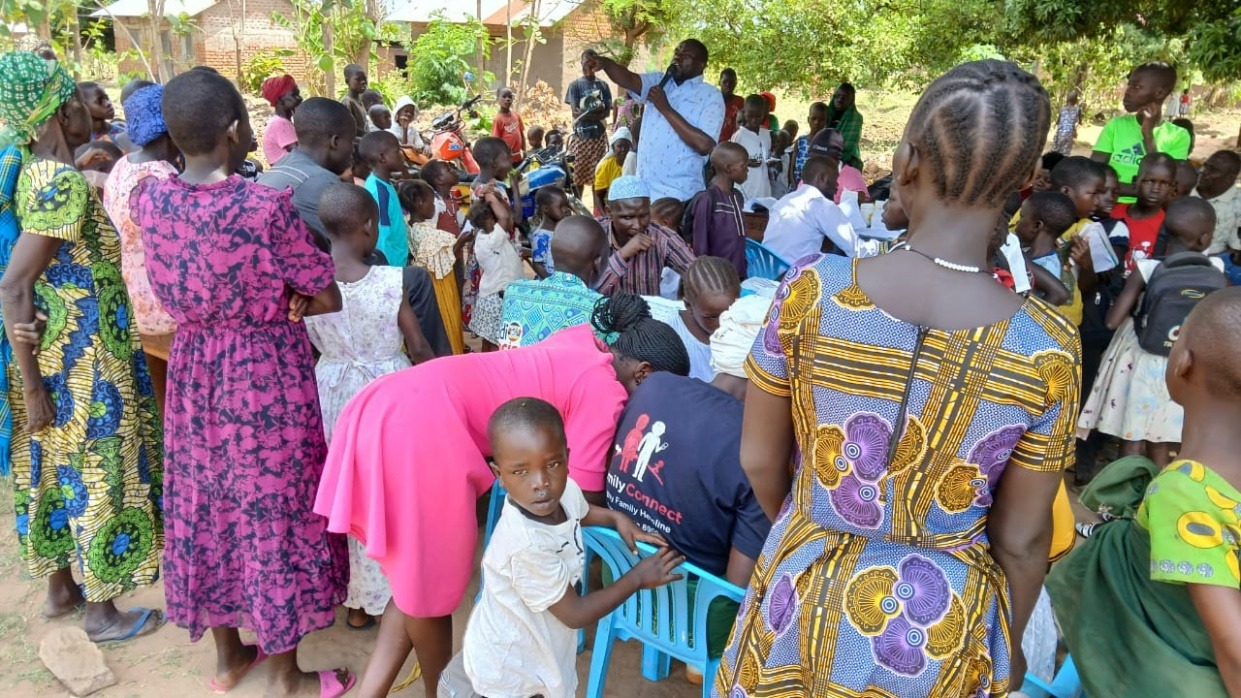
Water is the world's most precious resource, driving everything from basic human survival to industrial agriculture. However, water resources are under unprecedented stress. Climate change, overconsumption, and pollution are shrinking the availability of safe drinking water. When communities lack local access to clean water, the burden falls heavily on women and children, who collectively spend millions of hours each day walking long distances to fetch water from often contaminated sources.
The Sanitation Crisis
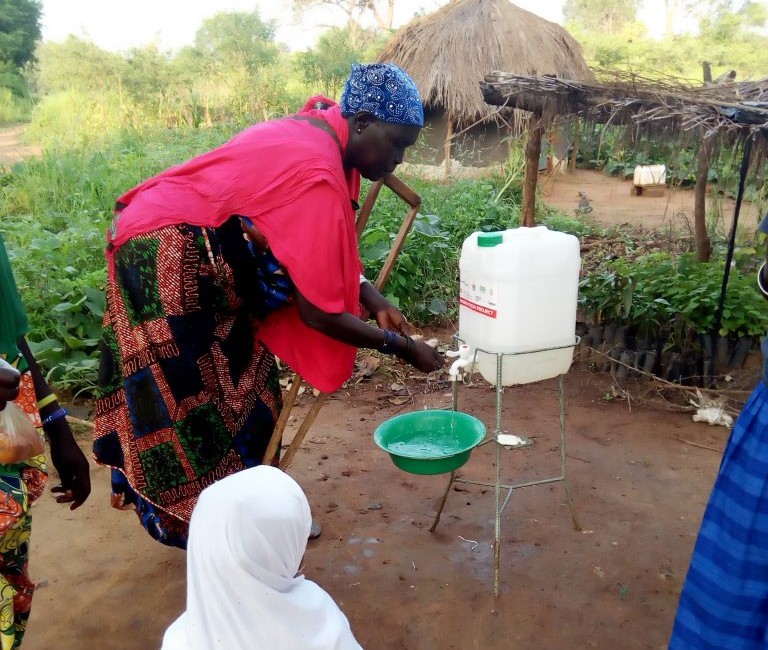
While water supply catches public attention, sanitation is frequently overlooked. Safely managed sanitation means having toilet facilities that prevent human waste from contaminating the environment. When sewage is left untreated, it leaks into local waterways, turning rivers and groundwater into vectors for deadly waterborne pathogens. Proper sanitation, coupled with robust hygiene practices like regular handwashing, acts as a primary barrier against preventable illnesses such as cholera, dysentery, and typhoid.
The Ripple Effect on Development
The benefits of securing clean water and sanitation extend far beyond health clinics:
Education: Children, particularly adolescent girls, are far more likely to stay in school when schools are equipped with private, functional toilets and clean drinking water.
Economics: Every dollar invested in water and sanitation yields a massive return in economic productivity by reducing healthcare costs and freeing up time for work and education.
Equality: Reliable local water infrastructure reduces the physical vulnerabilities and time poverty experienced by women in developing regions.
Building a Sustainable Future
Resolving the global water and sanitation crisis requires a shift from temporary fixes to long-term, resilient infrastructure. Governments, international organizations, and local communities must collaborate to build climate-resistant water systems, upgrade waste management facilities, and protect vital freshwater ecosystems. Embracing modern water recycling technologies and community-led hygiene education will ensure that these systems remain functional for generations to come. Ultimately, bridging the sanitation gap is not just an environmental goal—it is the cornerstone of a healthier, fairer world.
Partner With Our Frontline Teams
Our evidence-based public health campaigns and youth livelihood hubs depend on strategic co-investment from institutional partners, foundations, and individuals.