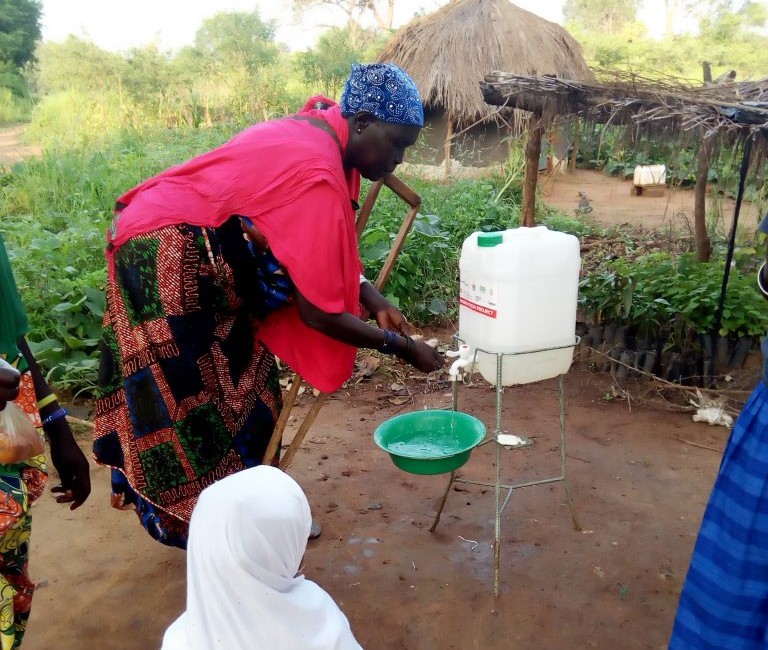
Dadamu Sub-County historically experienced one of the highest malaria infection burdens in Arua City. Community health dialogues conducted by IHDI revealed persistent barriers to care: high transport costs (averaging 5,000 to 10,000 UGX on boda-bodas) and extreme geographic distances to the sub-county's solitary public clinical facility, Riki Health Center III.
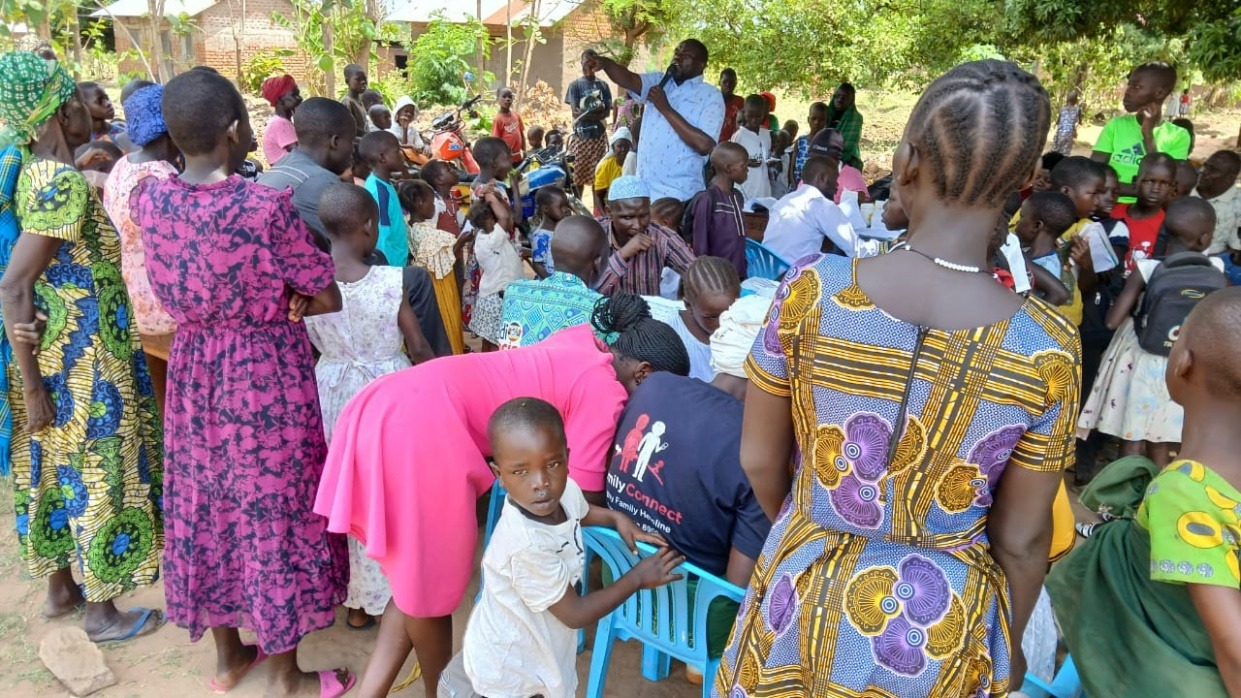
To dismantle these physical and economic bottlenecks, IHDI, in collaboration with the Arua City Health Department and medical personnel from Orivu Health Center III, deployed an intensive mobile outreach surge across Dadamu with technical and financial support from the Global Fund through The AIDS Support Organization (TASO) and the Center for Health, Human Rights and Development (CEHURD).
Exceeding Targets Across 7 Outreach Sites and 60 Homes
During the March 2026 campaign, frontline clinical teams established 7 strategic mobile outreach points and visited 60 remote households. A total of 732 community members (250 children and 482 adults) were mobilized and screened for malaria using rapid diagnostic test (mRDT) kits. This milestone exceeded the initial target of 500 individuals by more than 100%.
Out of 732 screened, 322 individuals (44%) tested positive for malaria—including 136 children under five years of age. Every individual diagnosed with active infection was immediately provided with a full three-day course of Artemisinin-based Combination Therapy (ACT) at zero cost. Crucially, none of these patients had visited a health facility in the days preceding the outreach; prompt detection and treatment directly averted severe complications, anemia, and expensive hospitalizations.
Doorstep Lifelines: Baby Amaniyo's Recovery
In Odravu Parish, the outreach team visited the home of one-year-old Amaniyo. Her mother reported that Amaniyo had been suffering from fever and severe loss of appetite for three days. Unable to afford the 5,000 UGX boda-boda fare to the nearest health facility, the mother had administered half a tablet of paracetamol and hoped for improvement under a torn mosquito net.
The outreach nurse promptly performed an mRDT, confirmed malaria, and handed the mother free ACT blister packs, carefully coaching her on exact pediatric dosage: speaking in Lugbara Ti, 'Ife Arodi if alu sadisi, azini alu do undresi. Drusi azini Drozi ife vin alu obitisi, alu ondrasi' meaning ('Give 1 tablet now and one in the evening; tomorrow and the day after give 1 in the morning and 1 in the evening').
'Thank you, Nurse, for the medicine,' the mother expressed with deep emotion. 'I didn't have money to take the baby to the health center.'
Maternal Protection for Expectant Mothers
The outreach also safeguarded vulnerable mothers like Regina, a 35-year-old mother of three expecting her fourth child (Gravida 4 Para 3). Having endured a life-threatening hospitalization during a previous pregnancy due to severe malaria, Regina was screened at an outreach site while visiting family in Dadamu. She received preventative antimalaria prophylaxis at no charge, saving 10,000 UGX in transport fare to Oli Health Center IV in Arua City.
Tanganyika Village: Achieving Zero Positivity
The long-term impact of community sensitization was demonstrated in Tanganyika Village of Dadamu. Out of 25 residents randomly screened during the campaign, zero (0) tested positive for malaria. In 2024, the village positivity rate stood at 25%. Community elders and Village Health Teams (VHTs) attributed the victory to faithful adoption of the President's Mass Action Against Malaria (MAAM): sleeping under treated nets every single night, eliminating vector breeding pools, planting natural herbal repellents, and seeking immediate diagnostic testing upon the first sign of fever.
Overall, the 4-year intervention trajectory under the Global Fund/TASO/CEHURD partnership has successfully driven Dadamu Sub-County's malaria positivity rate down from 64% to 44%, demonstrating that bringing diagnostic care directly to rural doorsteps saves lives.
Partner With Our Frontline Teams
Our evidence-based public health campaigns and youth livelihood hubs depend on strategic co-investment from institutional partners, foundations, and individuals.