According to the District Health Information Software (DHIS2 2020/2021 report), Dadamu Sub-County recorded the highest malaria prevalence in Arua City. Over 64% of all Outpatient Department (OPD) attendances were directly caused by malaria infections. The overall incidence in the general population stood at 29%, with severe risks of escalating during seasonal rains.
Despite a total population of over 50,600 individuals residing in seven parishes and 51 villages, Dadamu was served by only one public health facility: Riki Health Center III. This extreme disproportion placed unbearable strain on local clinical staff and limited access to prompt fever diagnosis and treatment.
To address this crisis, IHDI was selected by The AIDS Support Organization (TASO) and the Ministry of Health (MoH) under civil society grant arrangements to implement an intensive community-led prevention and control model.
64%
OPD Malaria Burden
50,600
Resident Population
1 Only
Health Center III
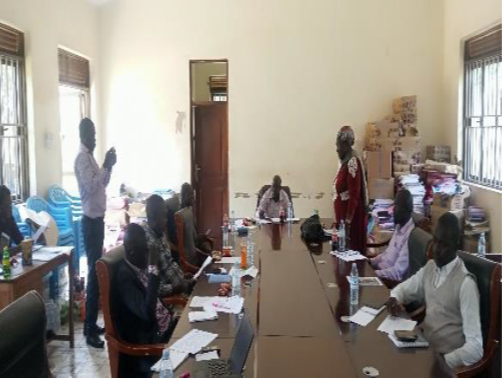
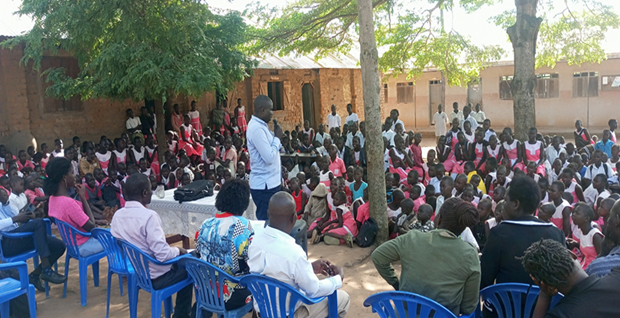
Community health workers gathering in Dadamu to map mosquito vector breeding pools and coordinate parish testing drives.
IHDI applied a community-anchored model combining schools, households, and primary clinics.
School-age children represent both a high-risk group and effective health advocates. IHDI conducted structured dialogues with teachers, school management committees, and pupils across 14 primary schools in Dadamu. Teachers were trained on recognizing danger signs and logging fever registers.
Village Health Teams (VHTs) conducted door-to-door visits to inspect Long-Lasting Insecticidal Net (LLIN) hanging and usage. Stagnant puddles and artificial containers within a 50-meter radius of households were drained or eliminated to interrupt larval breeding cycles.
Strengthened community triage by introducing rapid diagnostic testing (mRDTs). Suspected fever cases were screened within 24 hours and linked to Artemisinin-based Combination Therapy (ACT) regimens at Riki HC III, preventing progression to severe anemia or cerebral complications.
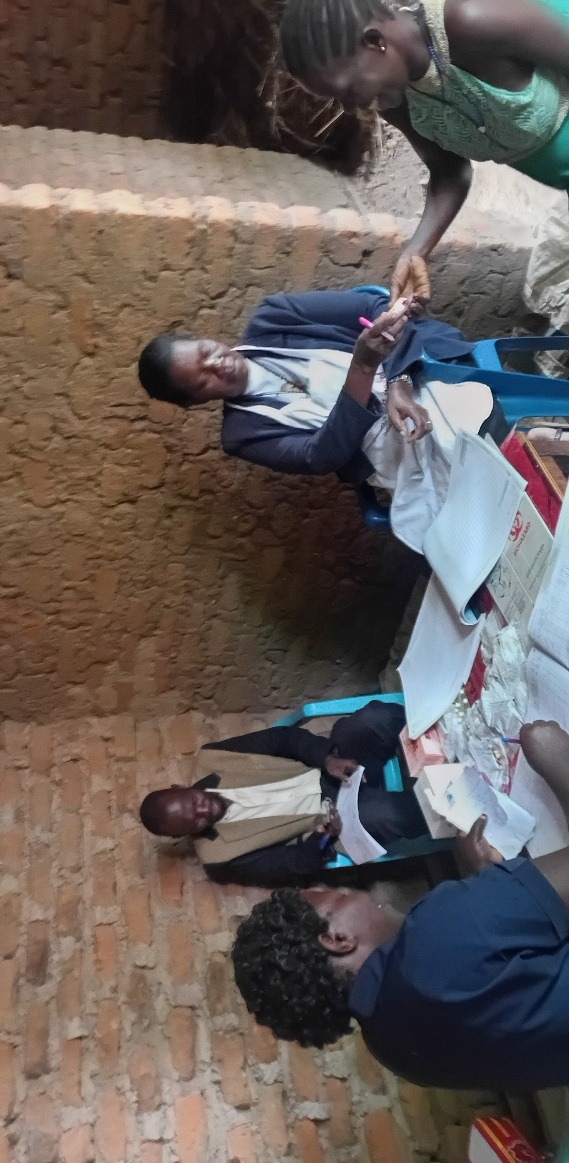
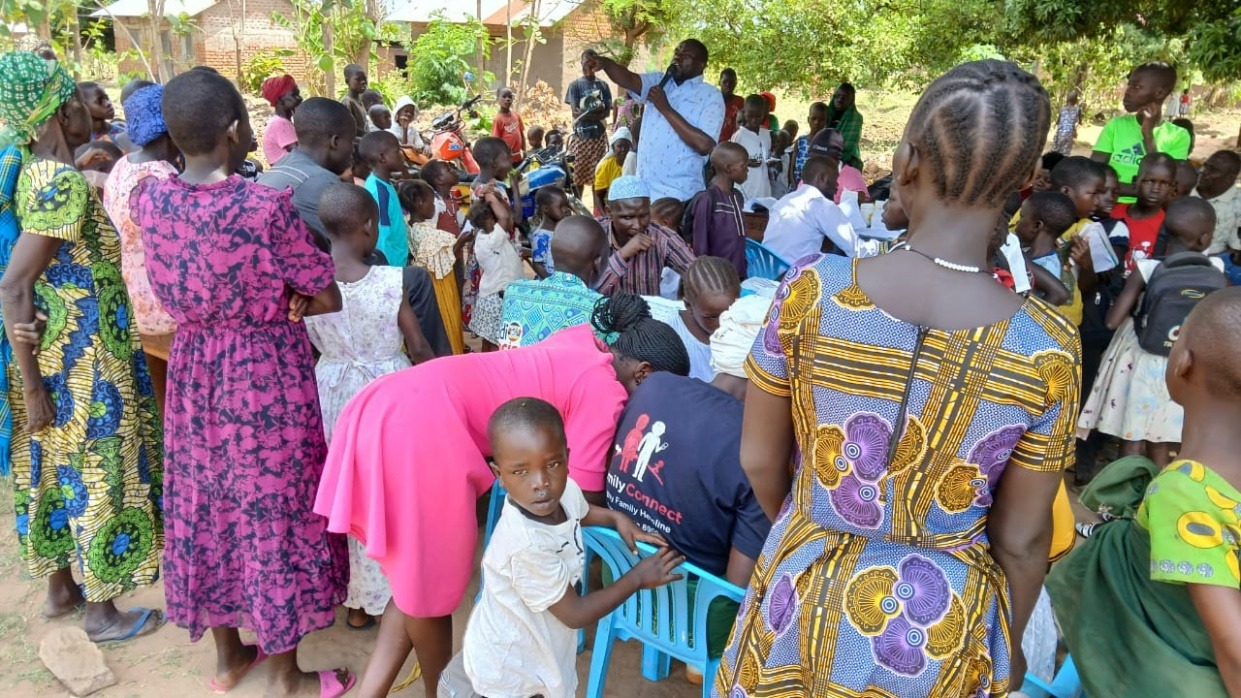
Funded by the Global Fund through TASO and CEHURD, IHDI partnered with the Arua City Health Department and health workers from Orivu Health Centre III to conduct integrated malaria testing, treatment, and maternal health outreaches across 7 sites and 60 households.
732
Individuals Screened
250 children & 482 adults (>100% over 500 target)
322
Linked to Free ACTs
44% positivity; 136 under-5s treated on site
0%
Tanganyika Village
25 tested, 0 positive (down from 25% in 2024)
44%
Positivity Trend
Reduced from 64% OPD baseline in Dadamu
Infant Survival
Odravu Parish, Dadamu Sub-County
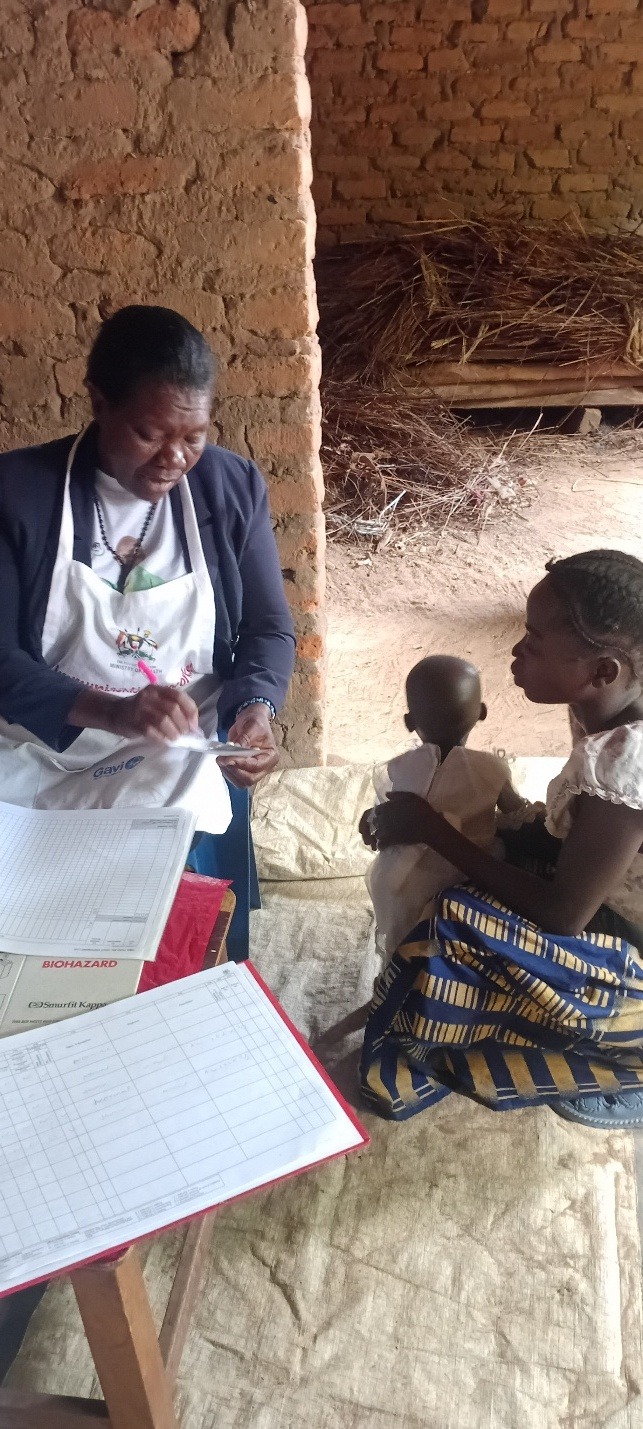
One-year-old Amaniyo had suffered three days of high fever and loss of appetite. Her mother had only given half a tablet of paracetamol because the health facility was too far and a boda boda ride cost 5,000 UGX—an impossible expense.
The IHDI outreach team tested Amaniyo using mRDT, confirmed acute malaria, and provided full Artemisinin-based Combination Therapy (ACT) at no charge. The nurse counseled the mother in the local dialect:
“Thank you, Nurse, for the medicine. I did not have money to take the baby to the health center, and transport alone would cost 5,000 shillings.”
— Mother of Baby Amaniyo
Antenatal Care
Visiting Dadamu Sub-County
Regina, a 35-year-old expectant mother (Gravida 4 Para 3), was visiting relatives in Dadamu when the outreach clinic was set up. Having suffered life-threatening malaria in a previous pregnancy that required emergency hospital admission, she understood the stakes for her unborn child.
The clinical team performed diagnostic screening and provided preventative antimalaria prophylaxis right at the outreach post, eliminating the 10,000 UGX transport cost required to reach Oli Health Center IV in Arua City.
“The last time I had malaria during pregnancy I had to be admitted. I was so happy to receive antimalaria drugs at home without spending 10,000 shillings on transport to Oli HC IV in Arua City.”
— Regina (35 Yrs, Gravida 4 Para 3)
Community Transformation
Tanganyika Village, Dadamu Sub-County
During the March 2026 outreach, 25 community members were screened using mRDTs in Tanganyika Village, and zero (0) tested positive. This is a dramatic drop from the 25% positivity rate documented in 2024.
Village leadership attributed this zero-transmission breakthrough to active adherence to the President's Mass Action Against Malaria: clearing overgrown bushes, destroying mosquito breeding pools, applying herbal repellents, and sleeping under treated nets every night.
“Tanganyika village has demonstrated that collective grassroots action against vector breeding sites can bring community transmission down to zero.”
— Tanganyika Village Health Committee
Discover how 732 individuals were mobilized, 322 positive cases treated, and healthcare access extended to remote households.
Your support provides diagnostic test kits, teacher training manuals, and community health worker supplies.